Custom culture / 3 min read
Café racer, bobber or tracker? Find your line.
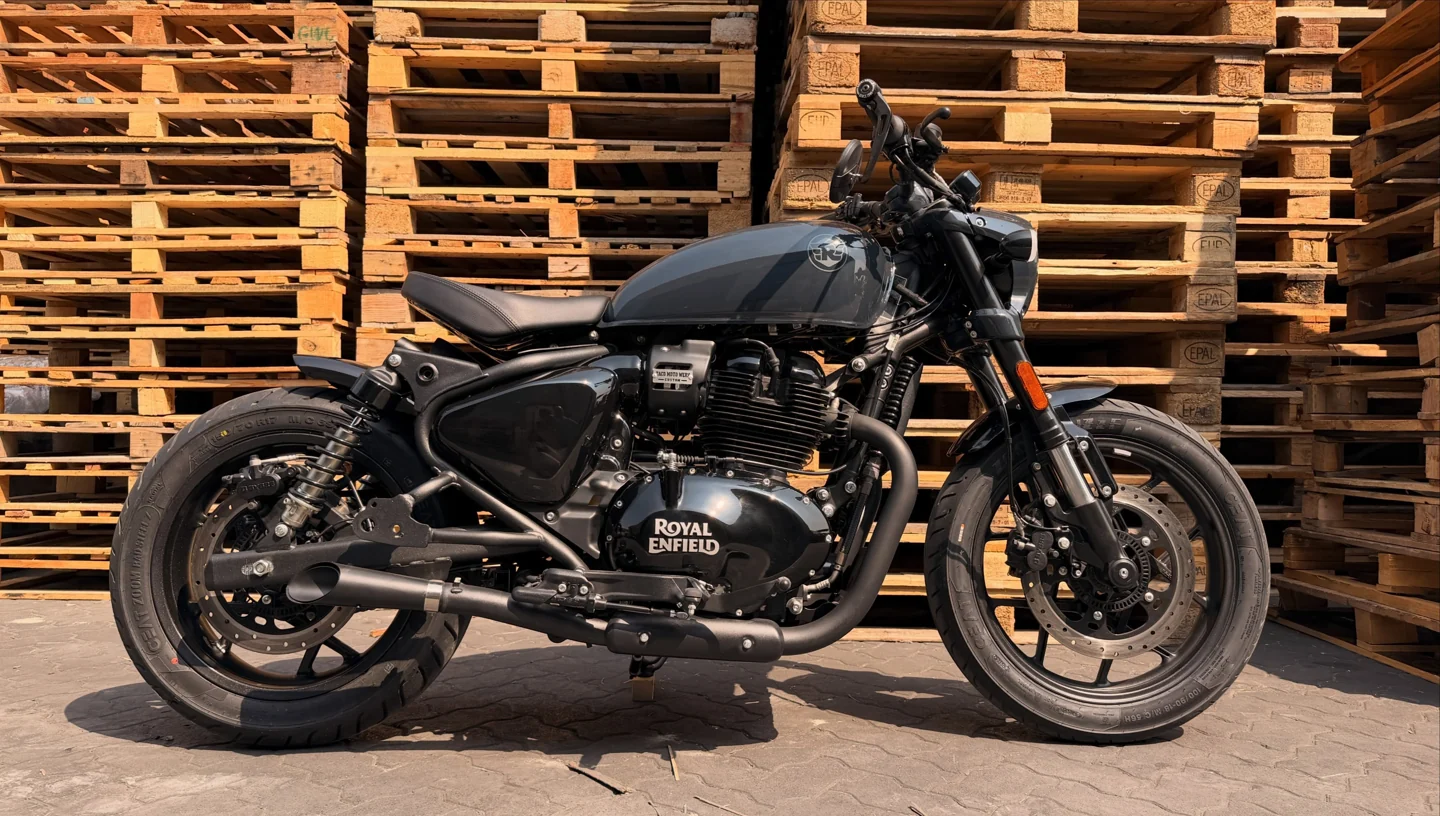
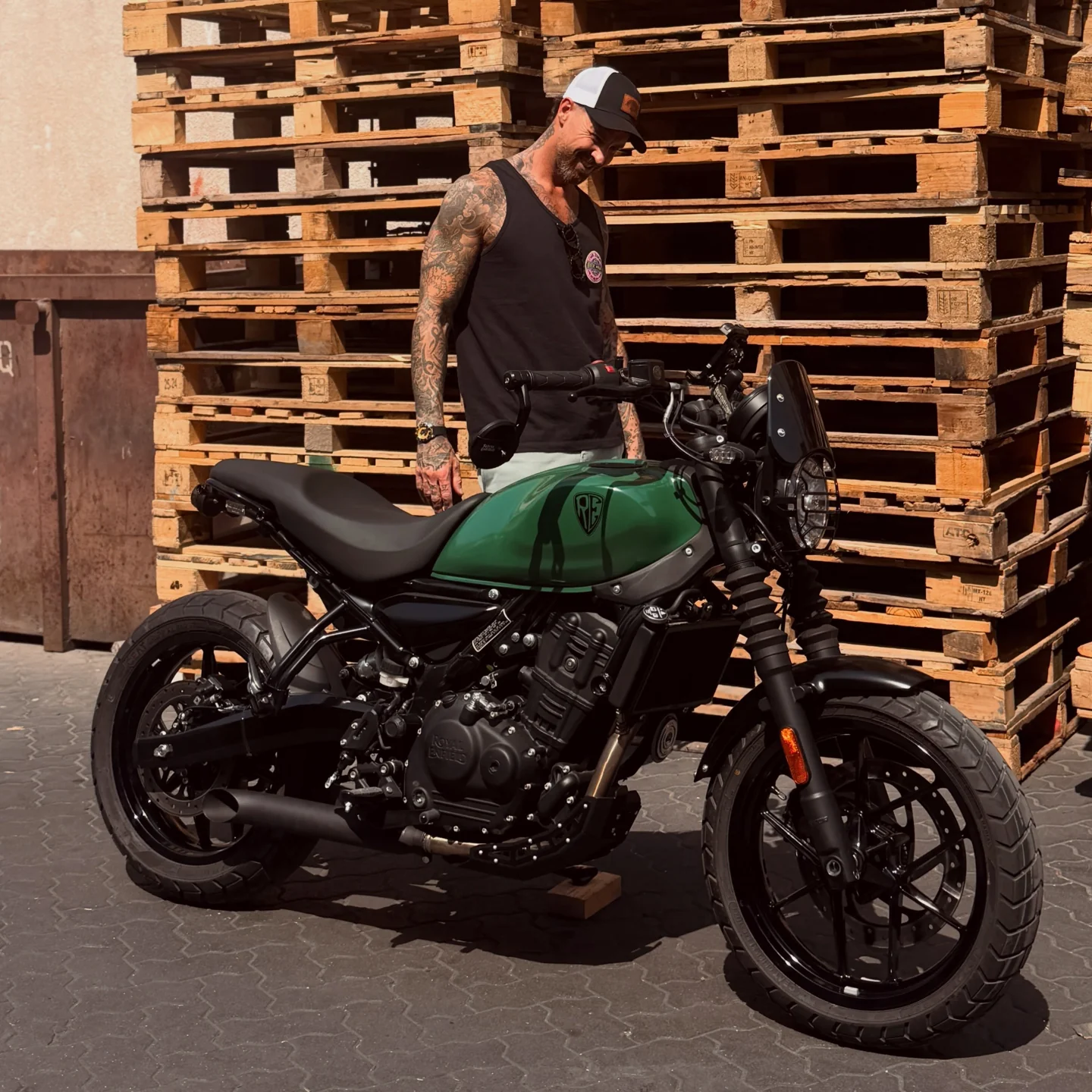
Custom motorcycle styles are useful starting points, not fixed recipes. Café racers usually suggest a tucked-in, sporting silhouette; bobbers favour a stripped-back outline; trackers take visual cues from flat-track racing. The right direction is the one that fits your taste and your intended use, rather than the label with the most dramatic photograph.
Look at the silhouette first
Step back from the details. Notice the height of the bars, the shape of the seat, the line of the tank and the visual weight around the wheels. Those few relationships often communicate a style before you can identify a single accessory.
A café-racer-inspired design tends to draw your eye along the tank and seat. Lower bars and a compact tail can strengthen that effect, but neither is a universal requirement. The point is a coherent sporting character. A label should help explain the idea, not force you into a position or setup you do not want.
Understand what the other directions offer
A bobber-inspired bike often puts the engine, wheels and a simple seat at the centre of the composition. Reduced bodywork can make the remaining shapes feel more deliberate. That is an aesthetic observation, not an instruction to remove equipment.
A tracker-inspired bike often has a more upright visual attitude, with a simple tail and a purposeful, pared-back appearance. Some builds mix those cues with café-racer or roadster influences. Hybrids can work well when the main idea stays clear. They become harder to read when every part appears to be following a different reference.
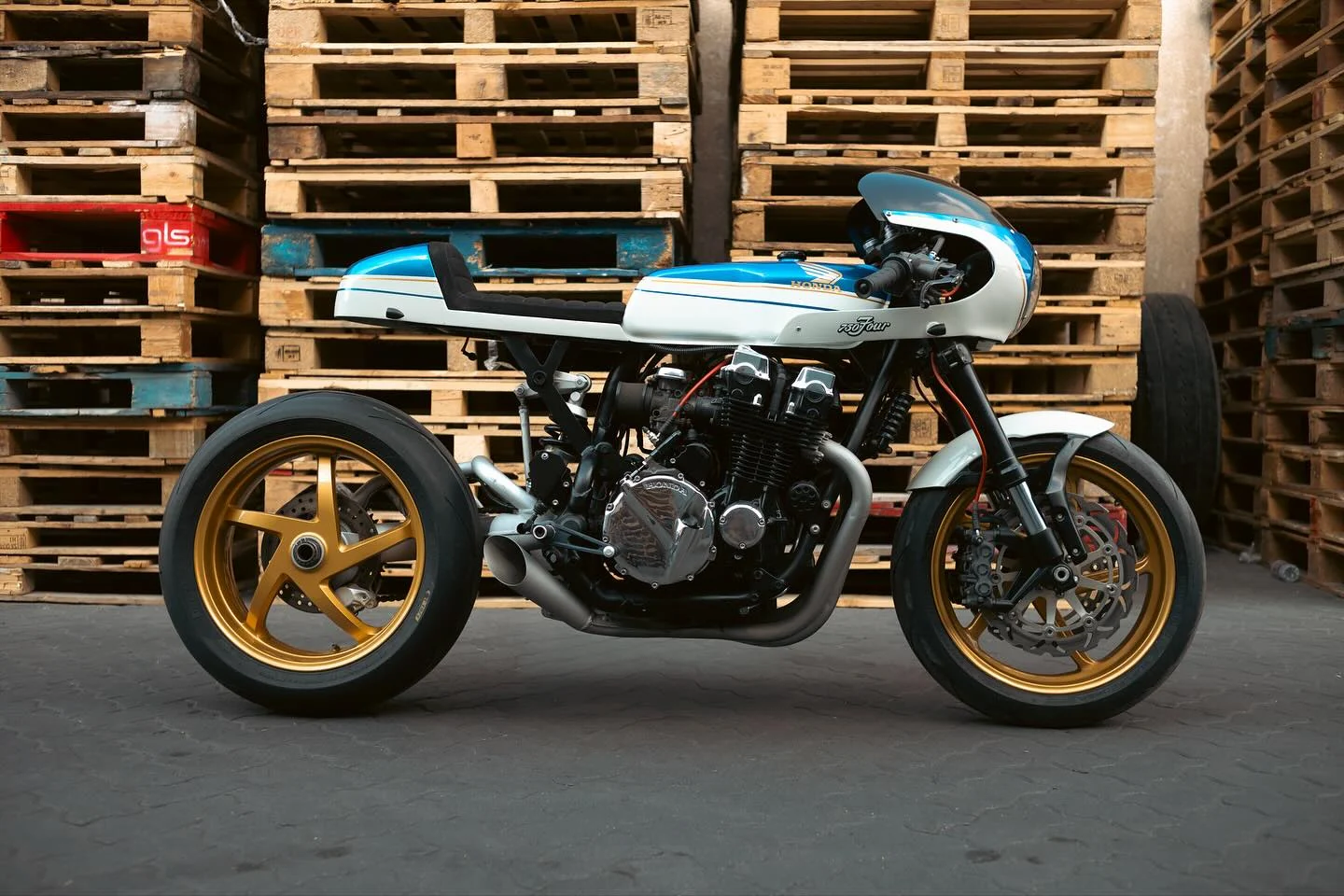
A racing tribute is a different conversation
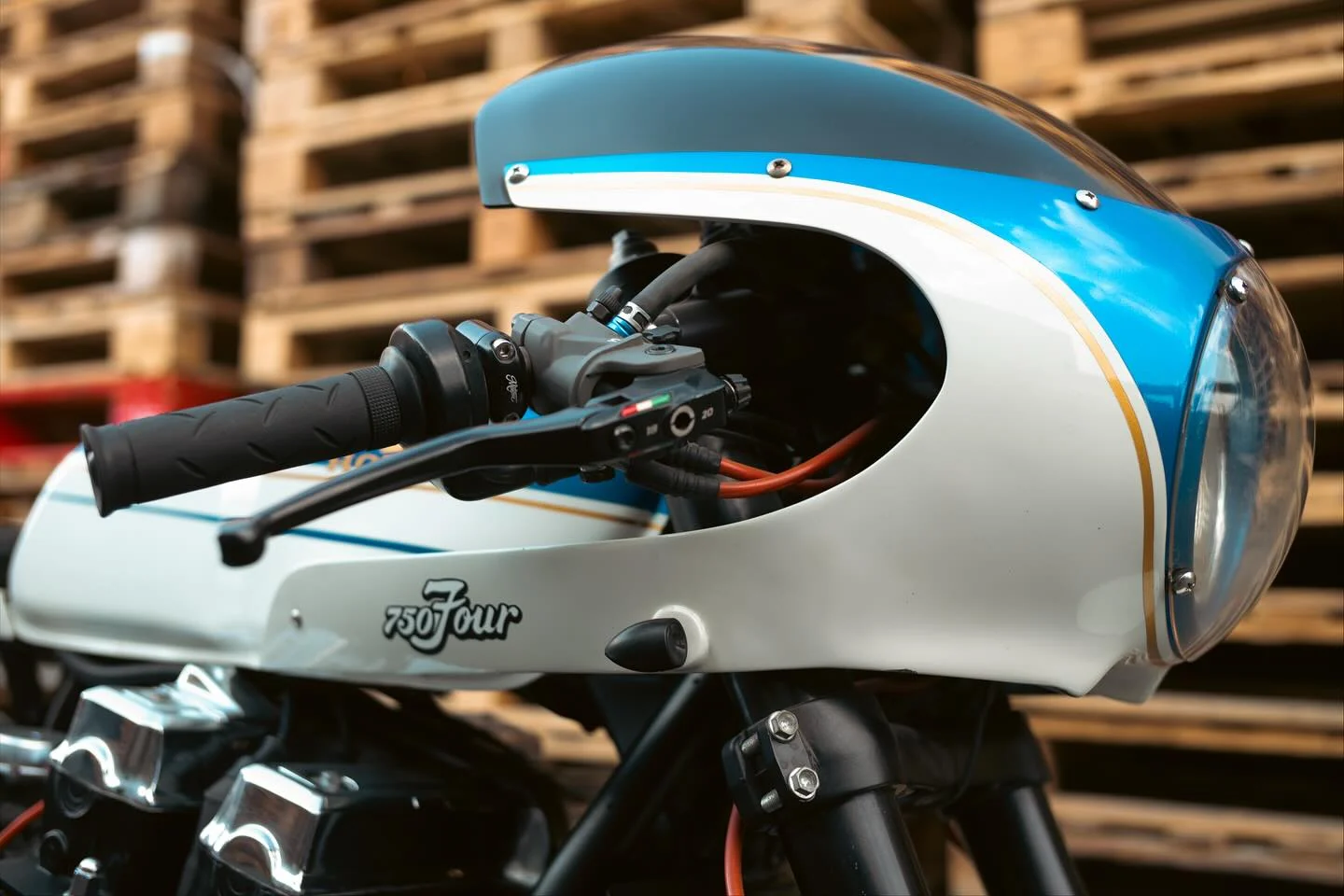
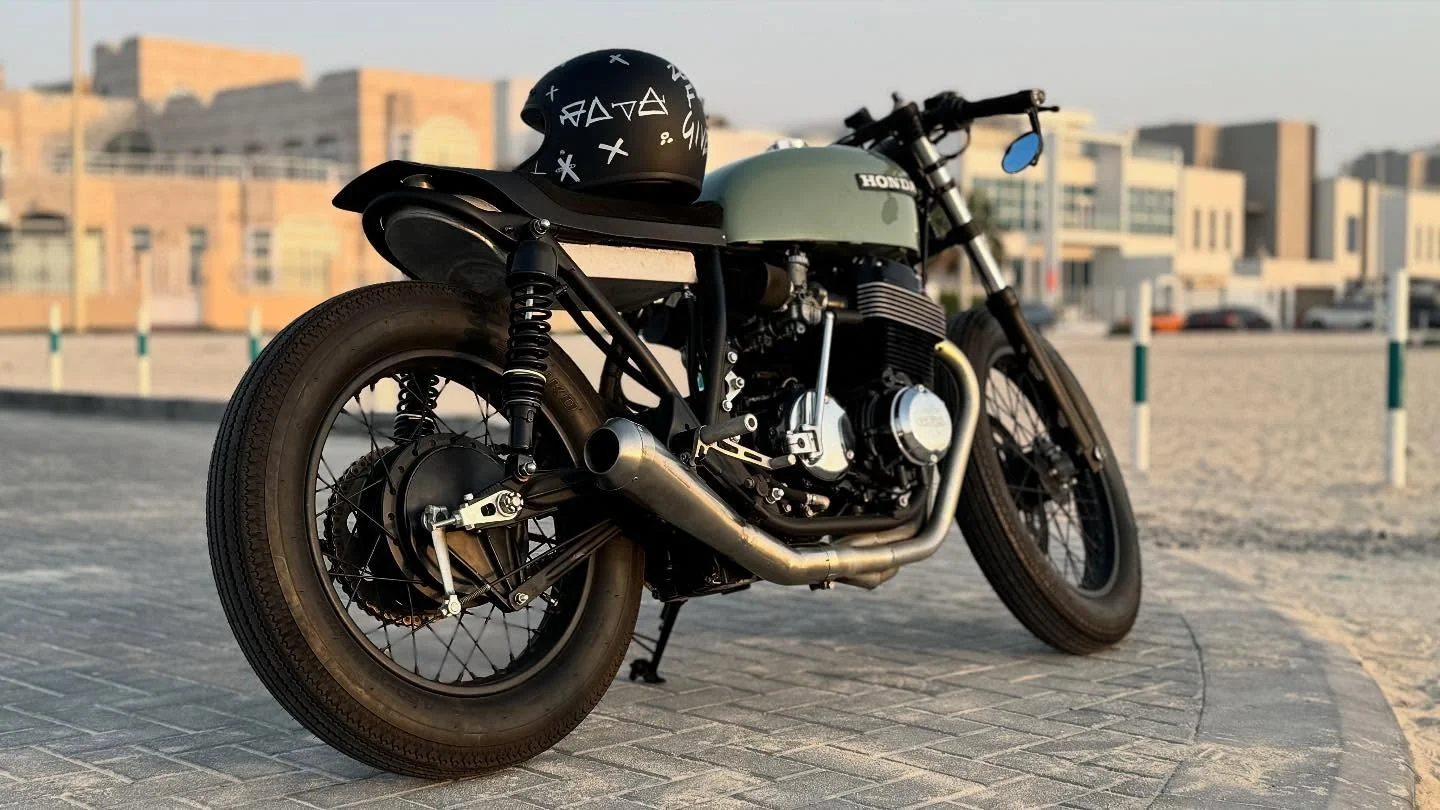
A racing tribute can use colour, graphics, fairing shapes and historic references to tell its story. Taco Moto Werx’s 1994 Honda CB750 tribute uses blue-and-white bodywork and gold wheels to create a very different impression from the olive-toned 1976 CB750 café-racer project shown in the same gallery.
These are two interpretations of Honda motorcycles, not evidence that any two model years share interchangeable parts. The visual reference and the engineering assessment are separate jobs. Use the first to describe what excites you and leave the second to the people examining the actual machine.
Try the idea against your routine
Ask yourself what you would happily live with on an ordinary ride. Do you like an open cockpit or the visual enclosure of a fairing? Is a passenger important? Would a quieter colour feel more like you after the novelty of a bright finish wears off?
Look at photographs from the side, front and rear. A single dramatic angle can hide proportions you might feel differently about in person. If you are considering a different riding position, discuss how to assess it before committing to the design.
Choose a direction, then make it yours
Bring the workshop a short sentence: “A restrained café racer with a strong tank line,” or “A racing-inspired bike with colour doing most of the talking.” Add the practical requirements that matter to you.
You can use a style as a shared vocabulary without trying to reproduce somebody else’s motorcycle. The interesting part is the balance between familiar cues and your own choices. There is no need to win an argument about what a bike should be called before enjoying the way it looks.
Can a custom motorcycle mix more than one style?
Yes. Use one main idea to keep the design coherent, then borrow secondary details deliberately. Discuss functional changes separately from visual preferences.
Sources & further reading
Original editorial guidance with source notes. AI-assisted draft, awaiting human editorial review.