Getting started / 3 min read
Less “something cool.” More “this is me.”
Your first Instagram message to a custom motorcycle workshop should explain what you have, how you ride and what you want to change. Include the make, model and year if known, a few current photographs, your main priorities and any timing constraints. You do not need a technical specification or a fully designed motorcycle.
Introduce the bike and the rider
Start with the basics. If you own the bike, name it accurately and explain how you use it. If you are still choosing a donor, say so. There is no benefit in making an open question look like a settled decision.
Add a little context about you. A weekend rider and someone who uses a motorcycle for daily transport may look at the same inspiration image for different reasons. Passenger needs, luggage and preferred riding position help make those differences visible. Keep it practical; a long personal history is not necessary.
Show what is there now
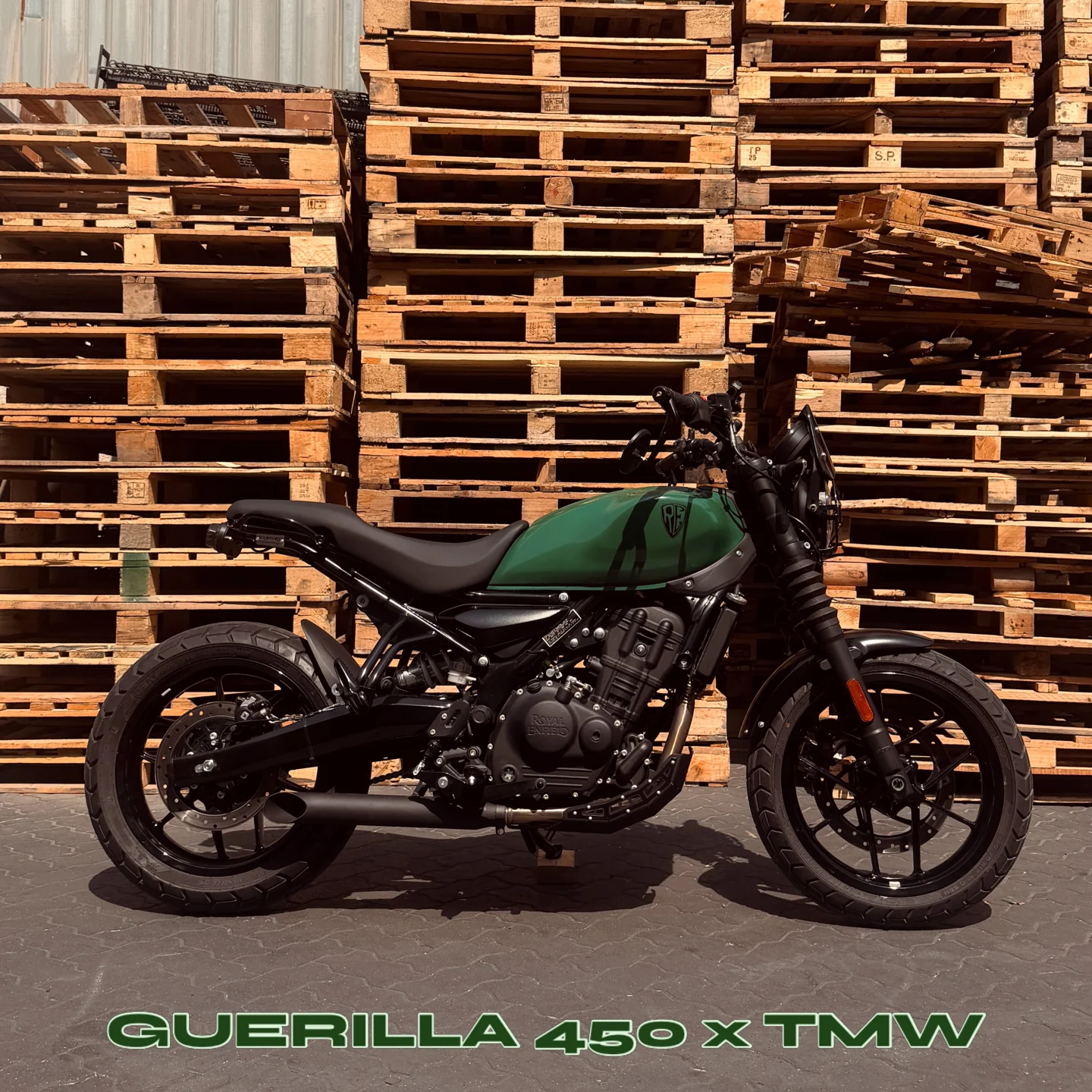
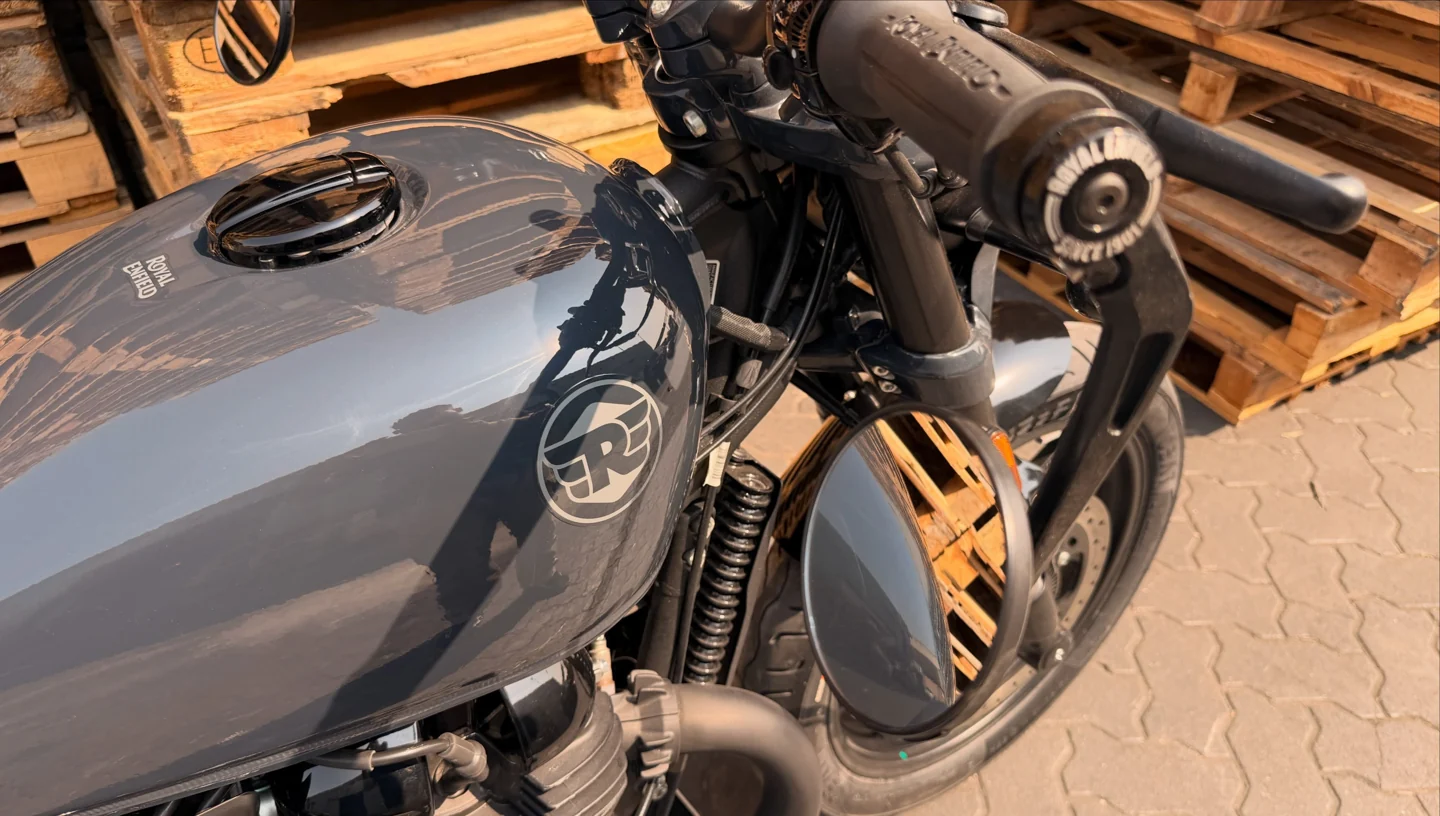
Attach clear, recent photographs from both sides and useful detail views. If a particular feature is central to your idea, include a closer image and explain what you want to discuss. Tell the workshop whether the photographs show the bike’s current condition.
Avoid burying the useful pictures in a huge folder of screenshots. A compact set is easier to understand and respond to. Photographs help frame the initial conversation, but the workshop may still need an in-person assessment before defining the work.
Say what you love and what you do not
Name three priorities in order. Perhaps you want a calmer colour scheme, a more deliberate rear profile or an overall look inspired by classic racing. Then explain what must stay, including any sentimental details or practical requirements.
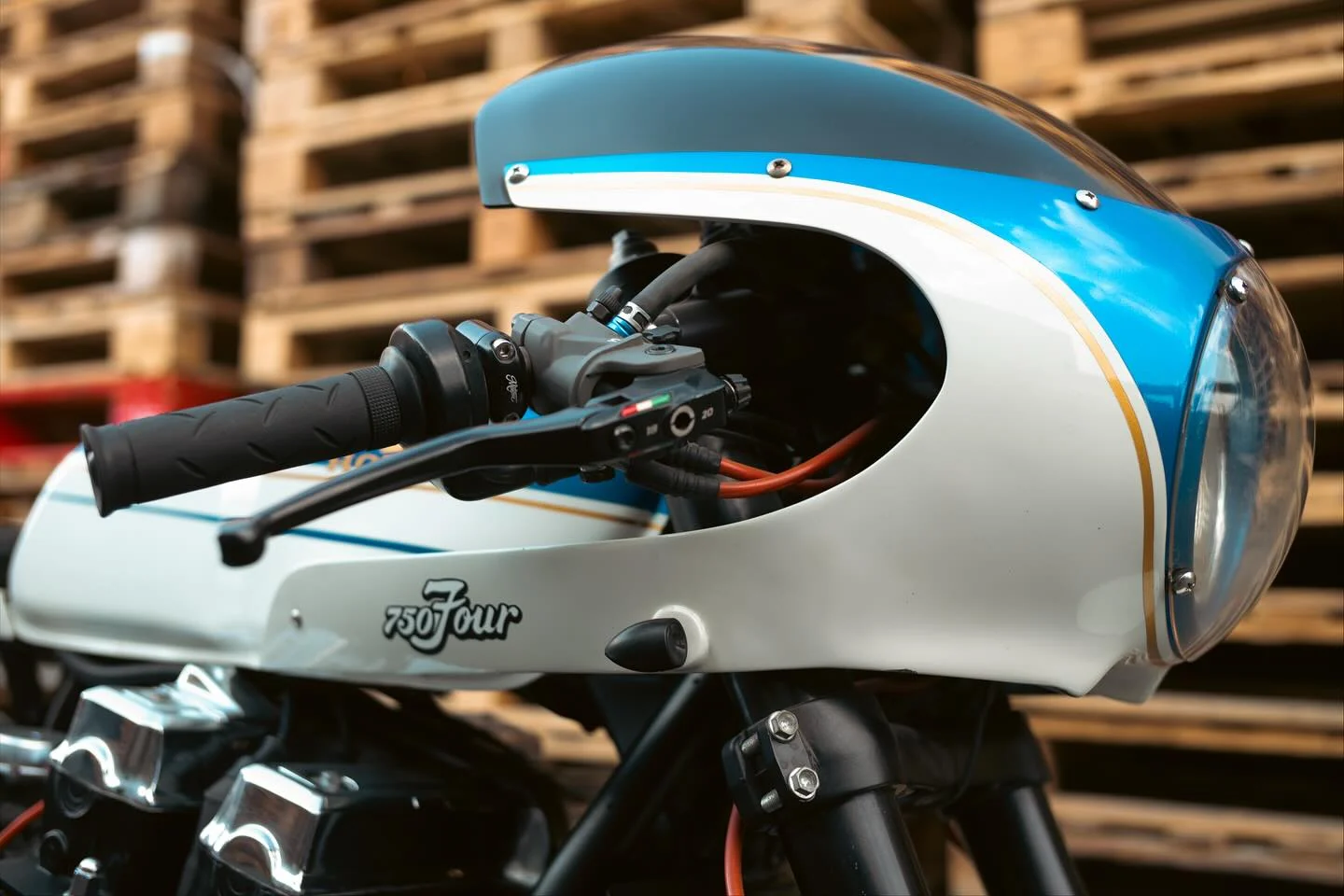
References work best with annotations. “The blue-and-white balance, not the full fairing” saves a lot of guesswork. So does “I like the simplicity, but I do not want an all-black bike.” Your job is to explain the attraction; the workshop’s response can help explore what makes sense for your machine.
Make room for a realistic reply
Give a rough budget range if you have one, and explain whether a date is a preference or a genuine constraint. Ask about the next step rather than assuming the first reply will contain a complete quotation.
Useful questions include what information is missing, whether an assessment is needed, how design changes are agreed and how the scope is recorded. A good conversation makes assumptions visible. It does not need to settle every part choice in the first message.
A first-message template
Hello Taco Moto Werx, I have a [model and year], and I mainly ride [your normal use]. I would like to explore [your main idea]. My priorities are [three things], and I would like to keep [important features]. I have included current photographs and a few annotated references. My approximate budget and timing are [details, if known]. What would be the best next step?
Replace the brackets with your own details and leave out anything you do not yet know. Send the message to @tacomotowerx on Instagram. Review the text and photographs before sending, and keep the first message focused enough to read easily.
What if I do not have a budget or a donor bike yet?
Say that clearly. Explain your intended use and direction, and ask what information would help narrow the options before you commit to a purchase or a build scope.
Sources & further reading
Original editorial guidance with source notes. AI-assisted draft, awaiting human editorial review.