Design details / 3 min read
Look closer. The details do the talking.
To understand a custom motorcycle’s design, look at the whole silhouette first, then the relationship between the tank and seat, the cockpit, the finishes and the small details. Those observations can tell you why a bike appeals to you. They cannot establish mechanical quality or roadworthiness from a photograph.
Read the whole shape
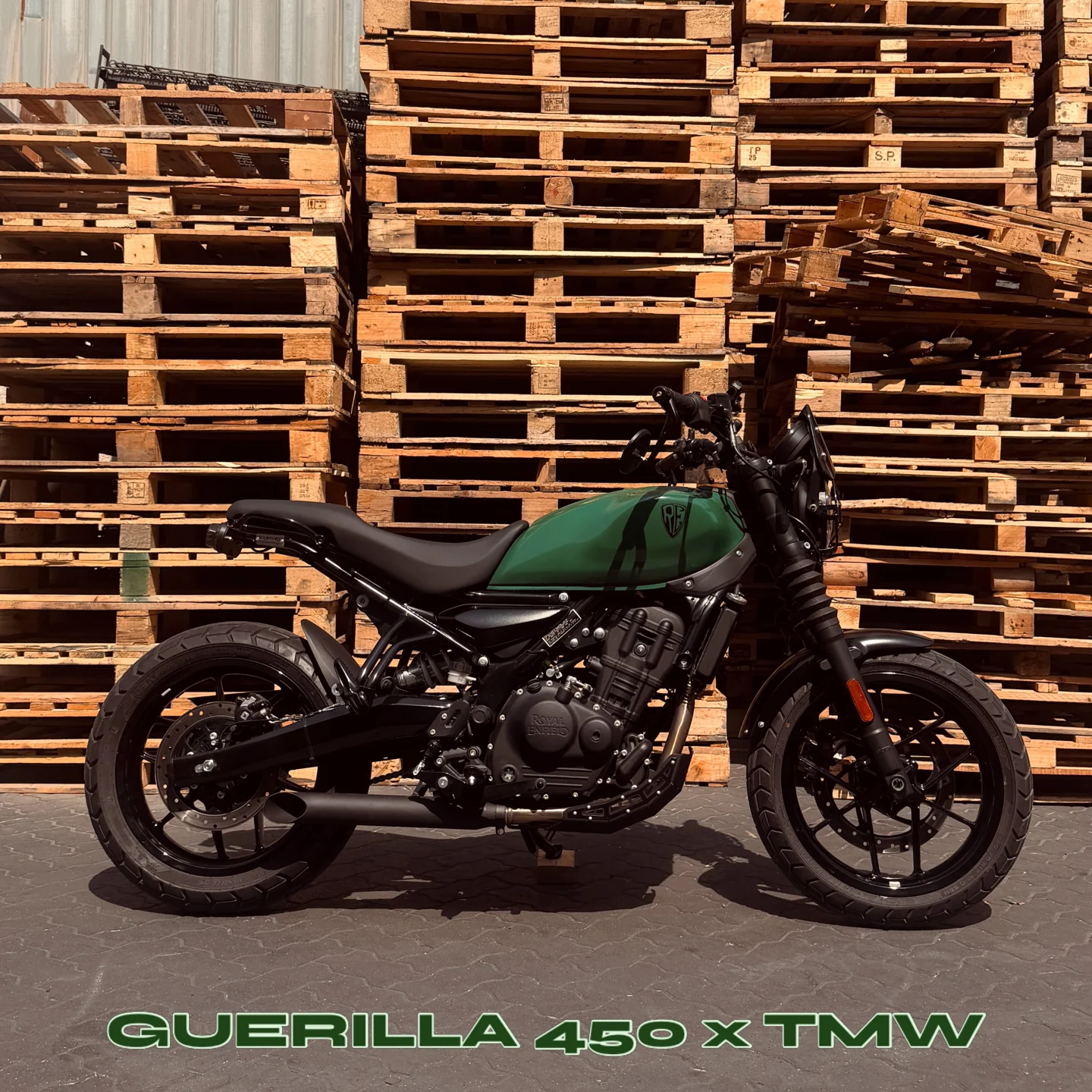
View the motorcycle from the side and let your eye follow its main line. Where does the tank lead? Does the rear feel visually light or substantial? Which part catches your attention first? You are looking for relationships, not measuring whether a build follows a universal rule.
A long, quiet shape and a compact, muscular shape can both feel convincing. The useful question is whether the parts appear to support the same intention. Naming that intention helps you explain your own preferences later.
Follow the tank into the seat
The junction between tank and seat is a small area with a large visual effect. Look at the transition in height, width and material. Notice whether the seat continues the tank’s line or deliberately changes the rhythm.
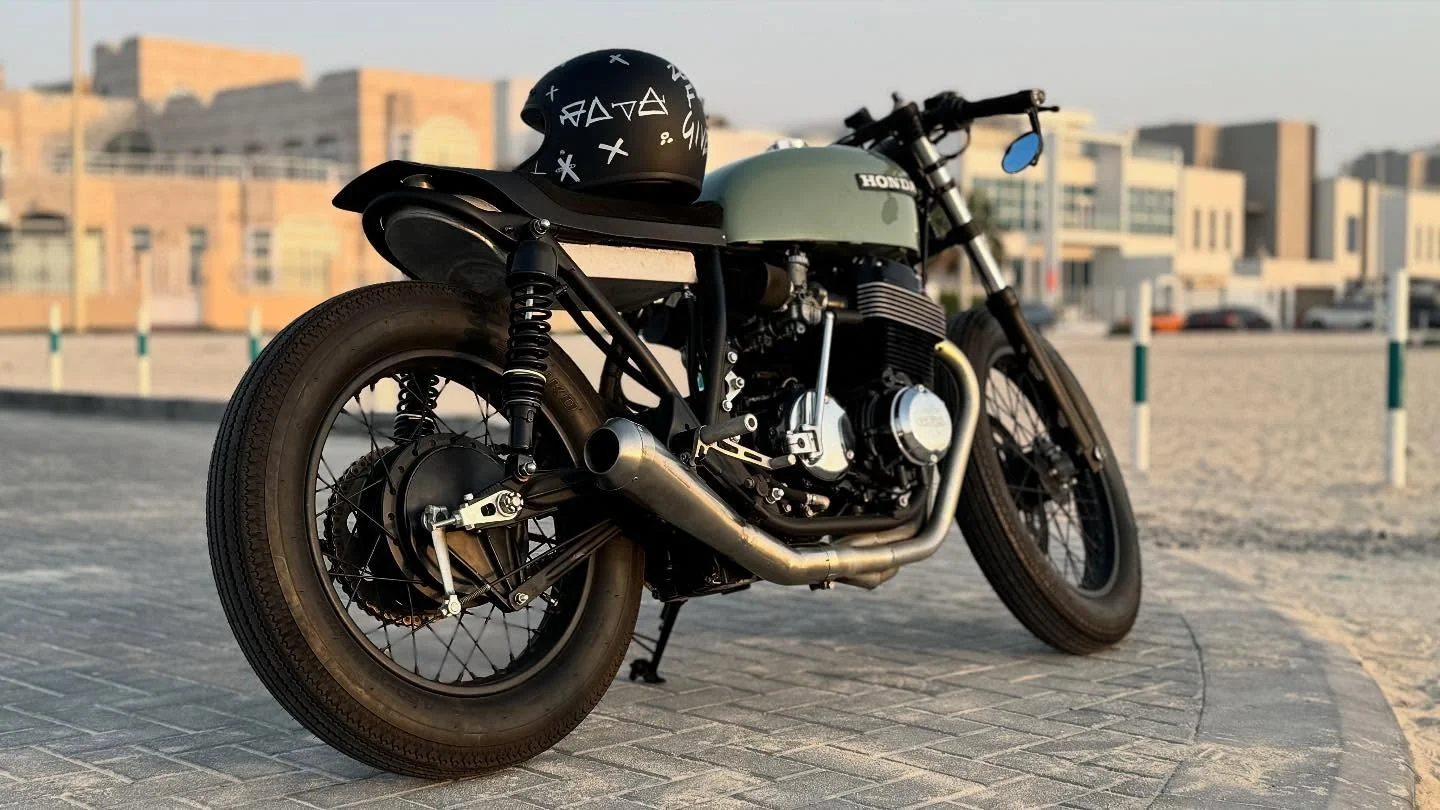
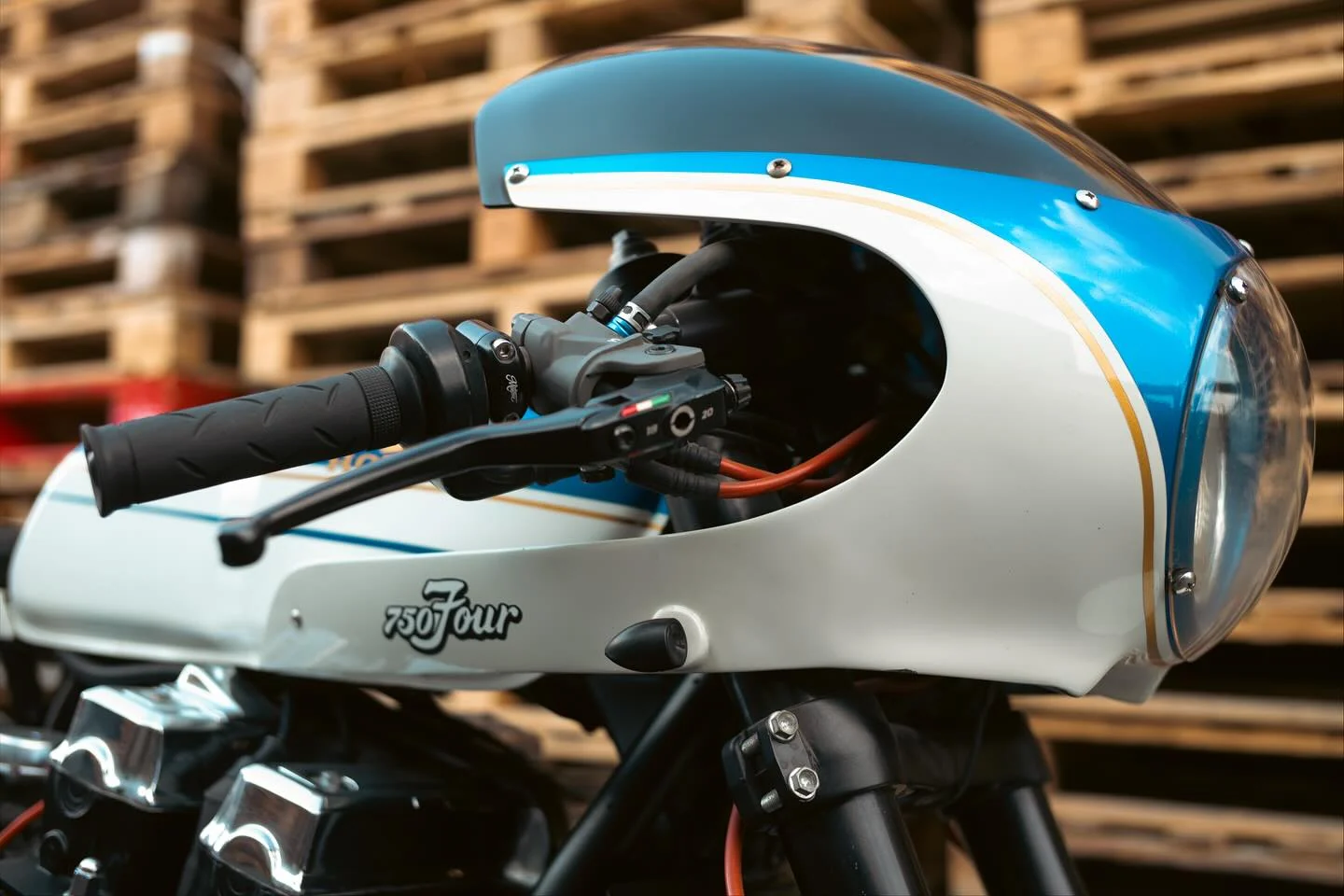
Compare the olive-toned CB750 and the blue-and-white racing tribute in the Taco Moto Werx gallery. Their colour and bodywork choices lead the eye differently. You do not need to decide which is better. Use the comparison to understand which relationships make you pause.
Give the cockpit some attention
A cockpit photograph reveals a view that the rider sees much more often than the side profile. Look at the visual relationship between the bars, instruments, controls and tank. Does it feel open, busy, symmetrical or deliberately spare?
The controls also have functional jobs. A tidy-looking arrangement is not enough to judge operation, visibility or suitability. When turning a visual reference into a project idea, discuss those questions with a qualified professional rather than assuming appearance tells the whole story.
Notice repeated finishes
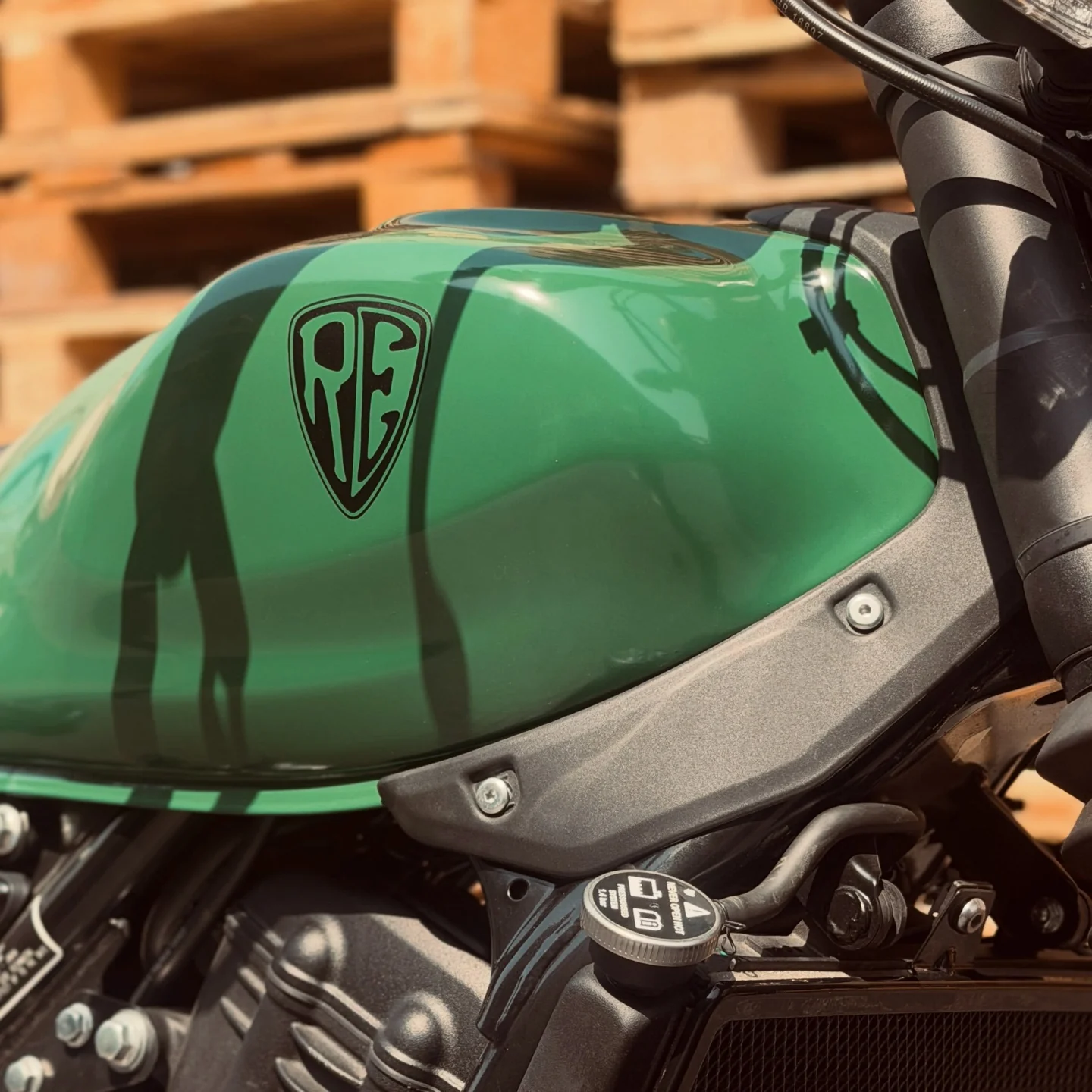
Look for materials and colours that appear more than once. A repeated dark finish can tie separate areas together. A warm metal tone can become a focal point. A painted panel may stand out more strongly when the surrounding parts are restrained.
Repetition is a useful design tool, but it does not require every part to match. Often a little variation gives a motorcycle depth. Try describing the balance in plain words: mostly quiet, with a bright tank; mostly mechanical, with a soft seat; mostly dark, with one clear colour.
Ask what has been left alone
Custom design is also a decision about what to preserve. An original tank shape, a recognisable engine or a familiar outline can give a project continuity. Honda’s history of the CB750 FOUR describes the 1969 model’s four-cylinder layout and front disc brake as defining features of that motorcycle. That history is useful context, not a specification for every later CB750.
When collecting references, include a note about what appears unchanged and why you like it. You may discover that the most appealing builds are not the ones with the longest parts list. They are the ones where you can understand the idea, and where the details keep bringing you back to it.
Can photographs tell me whether a custom motorcycle is well built?
Photographs can show visual choices and visible details. They cannot replace an assessment of mechanical condition, workmanship, operation or suitability for use.
Sources & further reading
Original editorial guidance with source notes. AI-assisted draft, awaiting human editorial review.