Build notes / 3 min read
The right build starts with the right bike.
A good donor motorcycle suits your intended use, has a condition you understand and gives the design a sensible starting point. Before buying one for a custom build, discuss the actual model and example with a qualified workshop. A low purchase price or a perfect inspiration photo does not tell you the whole project cost.
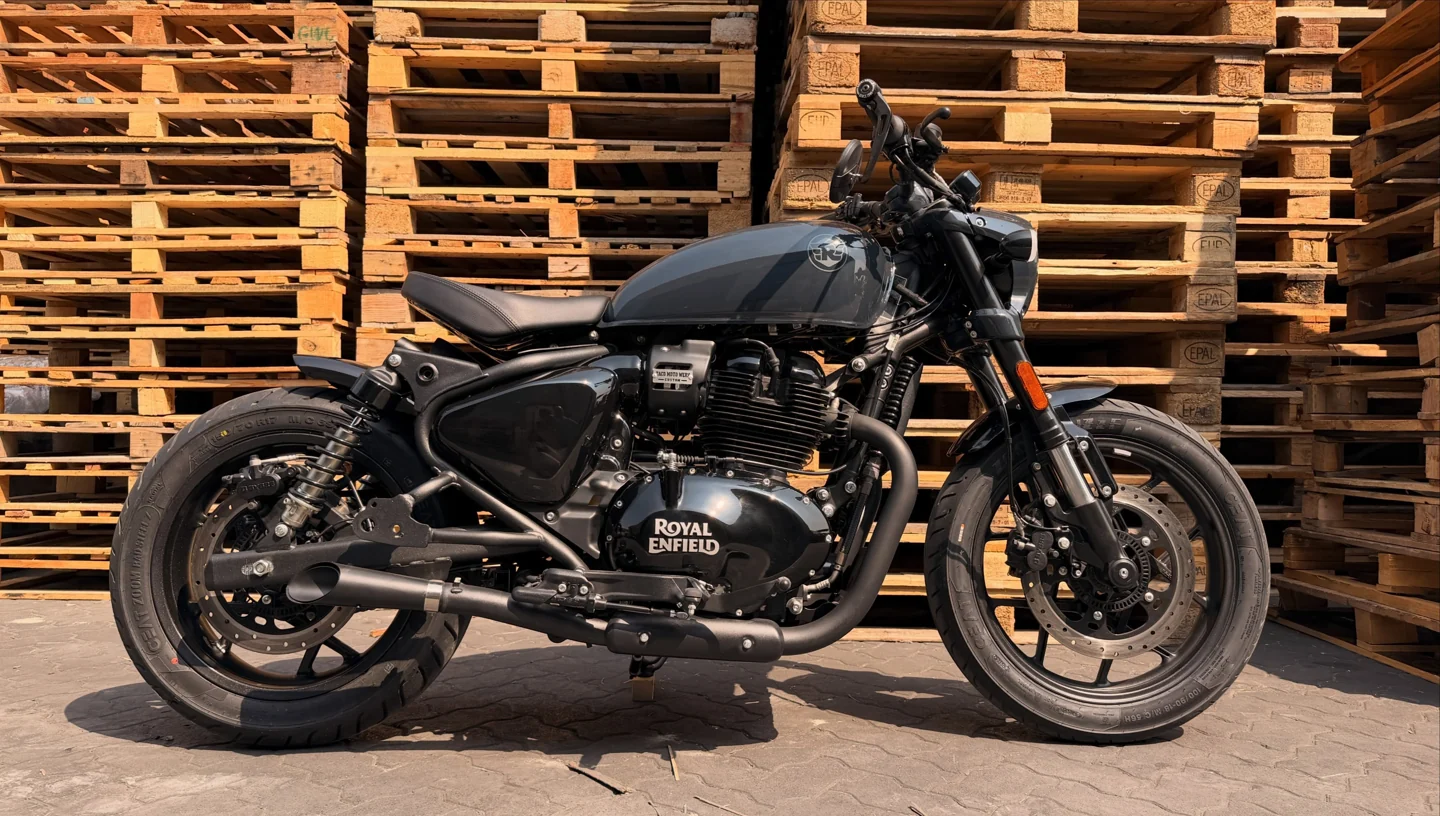
Start with character you already like
It helps if you like the basic motorcycle before imagining it transformed. Think about the size, engine character, riding position and general proportions. A donor that is already close to your preferences gives you more opportunities to make deliberate changes.
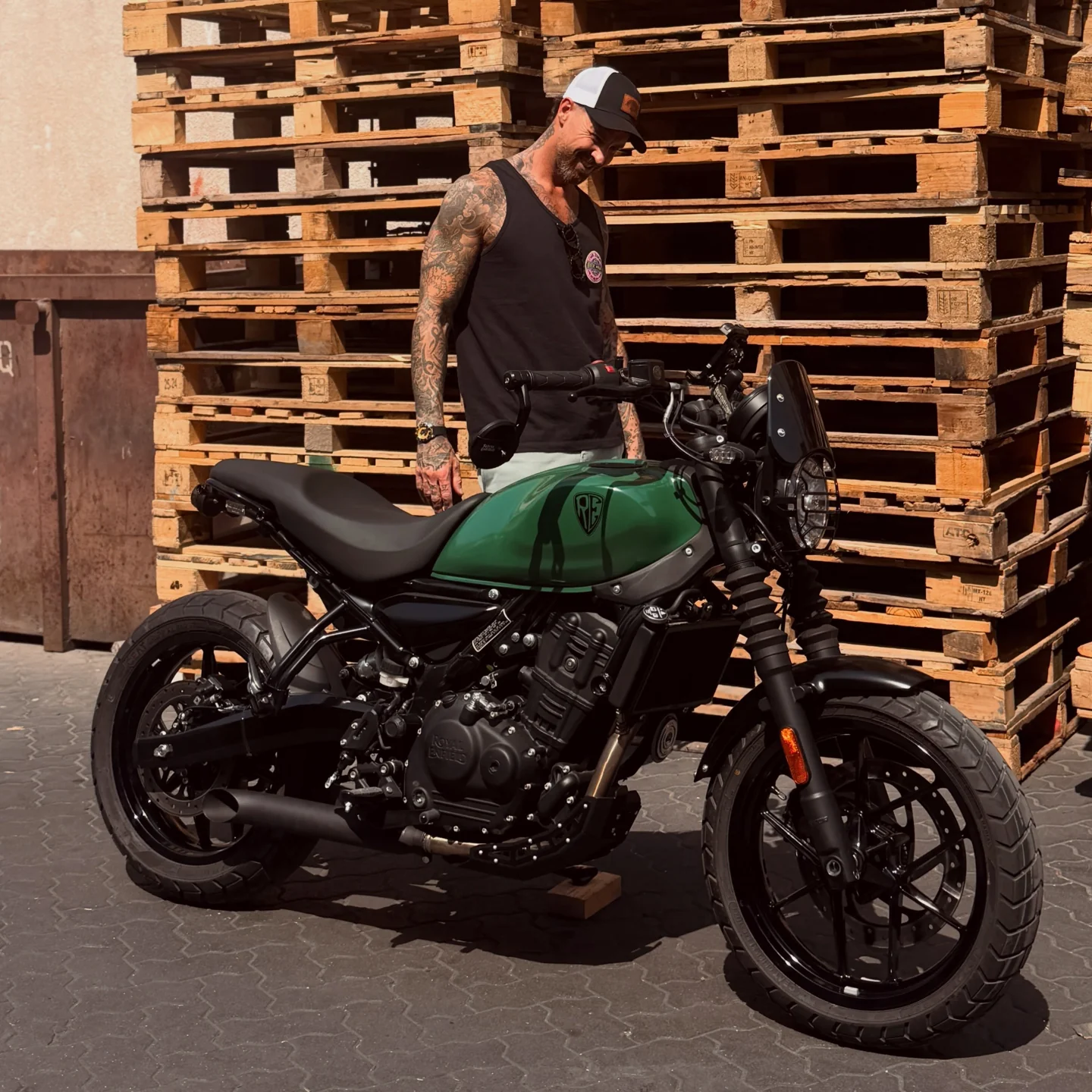
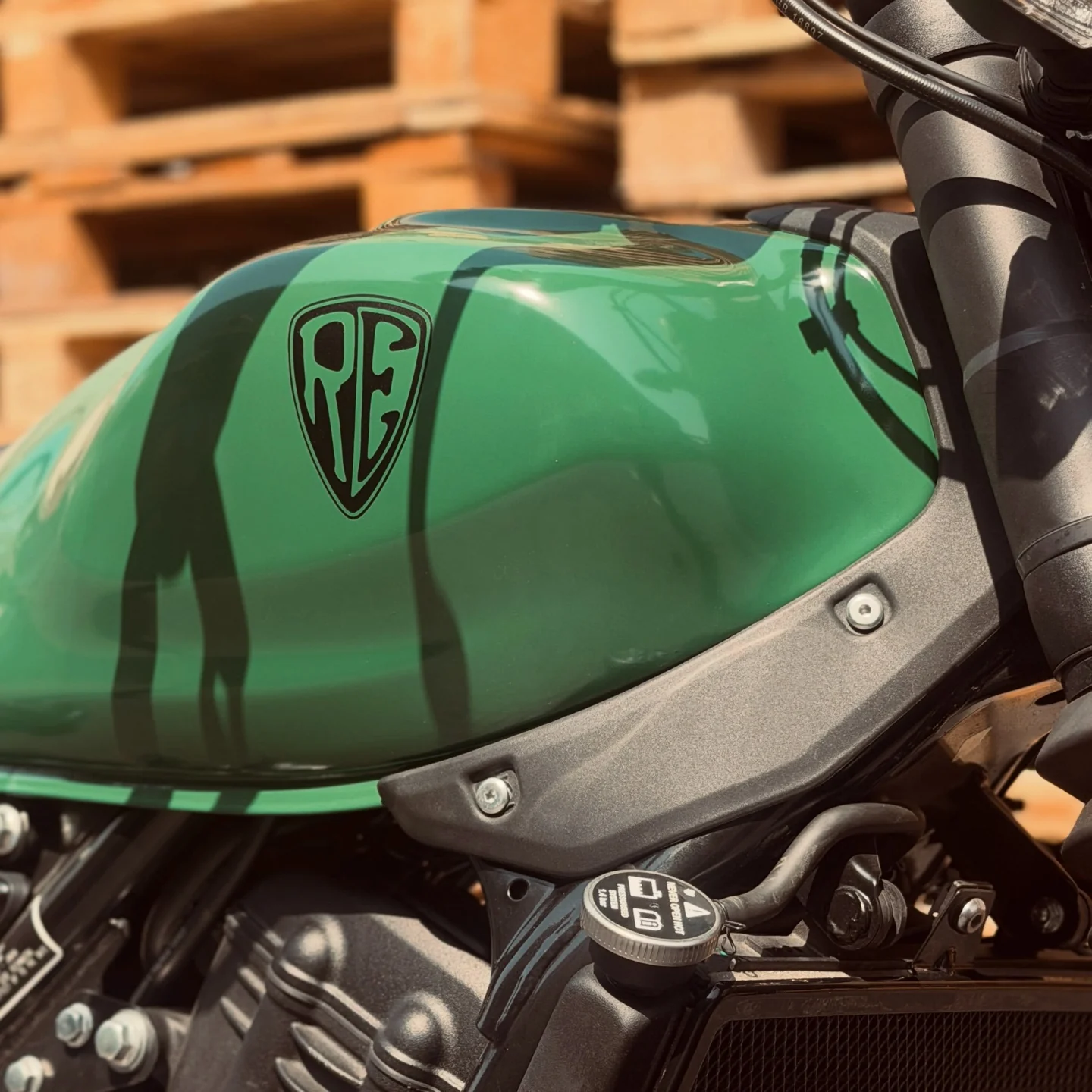
The Shotgun 650 and Guerrilla 450 illustrate why “Royal Enfield” alone is not a sufficiently specific brief. Royal Enfield presents the Shotgun as a custom-inspired platform and the Guerrilla as a roadster. Those are different starting points. A particular bike’s model year and specification still need checking; a current product page does not describe every example on the used market.
Condition deserves its own conversation
Ask for an assessment of the individual bike before using it as the foundation of a project. Maintenance history, visible condition and documentation are useful inputs. Photographs and a seller’s description can help you shortlist an example, but they are not a substitute for examining it.
Separate the work needed to understand and address the bike’s existing condition from the work you want for appearance. Otherwise, the exciting part of a proposal can obscure the less visible work that makes the whole plan realistic. Do not assume a tidy paint finish means the rest of the machine is equally tidy.
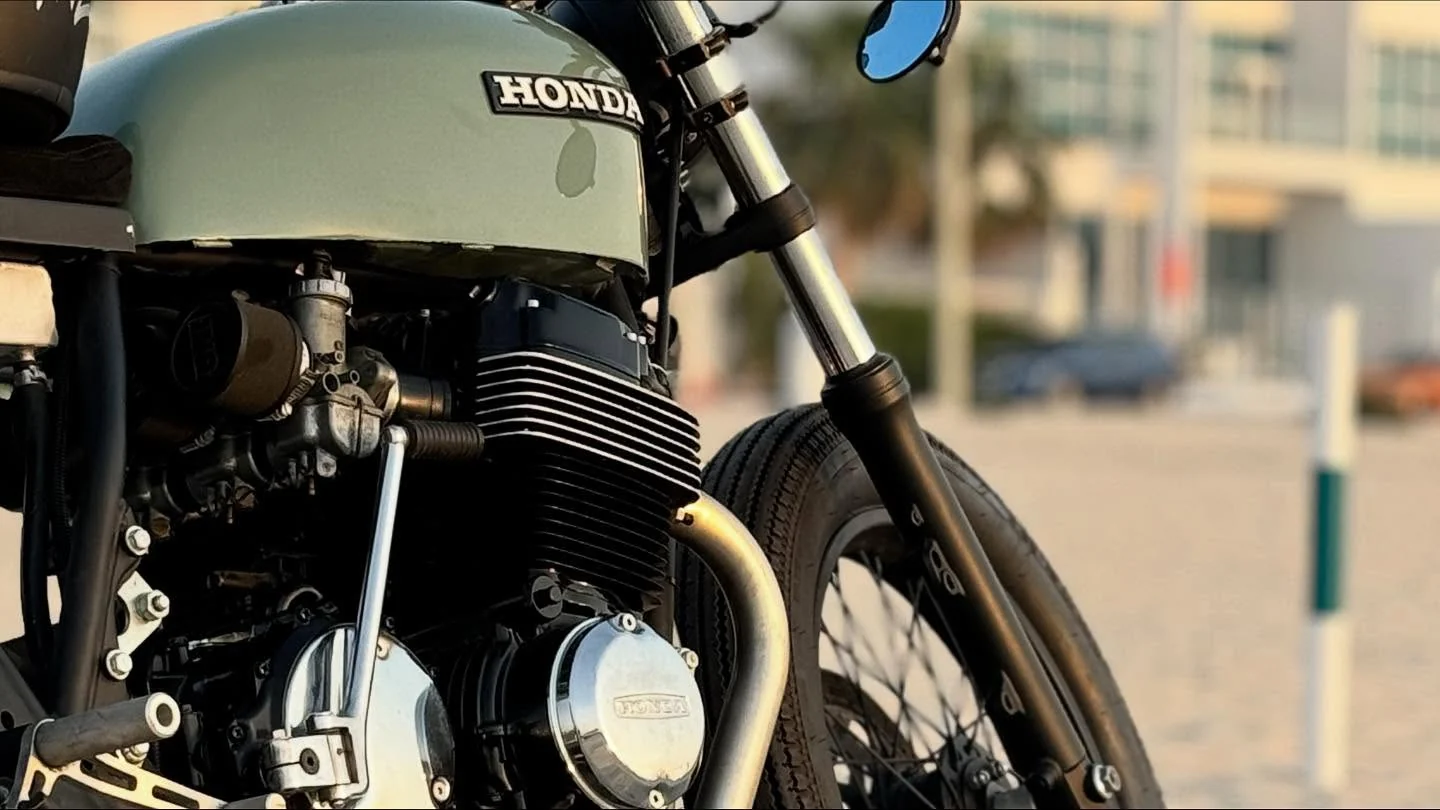
Check support before choosing rare
Find out who can work on the model and how replacement parts are sourced. Ask about the availability of ordinary service items as well as the custom parts in your reference folder. An unusual platform can be appealing, but it deserves a clear plan for future ownership.
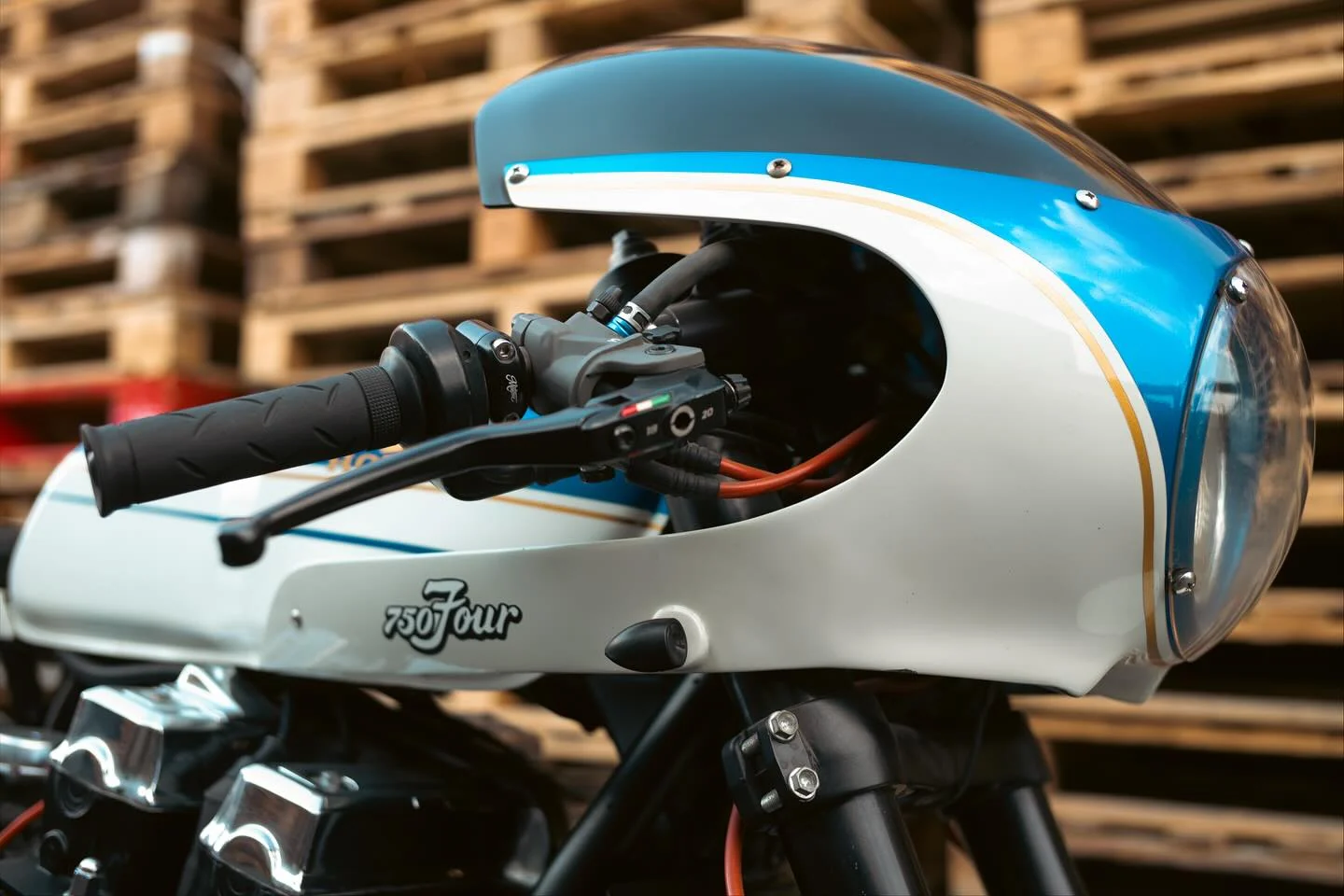
For an older motorcycle, decide how much original character matters to you. Some riders want a sympathetic refresh; others want a more extensive reinterpretation. Neither answer can be inferred from the badge. Write down the elements you would be disappointed to lose.
Put the whole project on one page
Use headings for the donor, assessment and necessary work, design changes, finish, and the practical arrangements around the project. Ask the workshop to explain which items are understood and which remain provisional.
This is a planning framework, not a price estimate. Taco Moto Werx does not publish fixed build prices here, and different motorcycles can lead to very different scopes. It is more useful to compare two complete proposals than two headline donor prices with different assumptions underneath them.
Make a shortlist, not an impulse purchase
Choose two or three possible platforms and explain why each appeals to you. Include photographs of the actual bikes if you have found them, not just finished customs based on similar models. Add your priorities and what you expect from ownership after the project is complete.
Then have the workshop conversation before committing to the donor. The best starting point may be the bike you already own, a cleaner example of a familiar model or a different platform entirely. Let the assessment inform that decision instead of asking the finished design to rescue a rushed purchase.
Should I buy a donor bike before speaking to a custom workshop?
It is useful to speak to a workshop first. Bring a shortlist and your intended use so the model, condition, support and likely scope can be considered together.
Sources & further reading
Original editorial guidance with source notes. AI-assisted draft, awaiting human editorial review.